GO
Sorry, but you already have a basket with that name. Please use something else.
Are you sure you wish to delete this basket?()
This action cannot be undone.
Sorry, something went wrong
Please report the problem here.
How to audit your school library to support diversity and inclusion
June 8th 2026
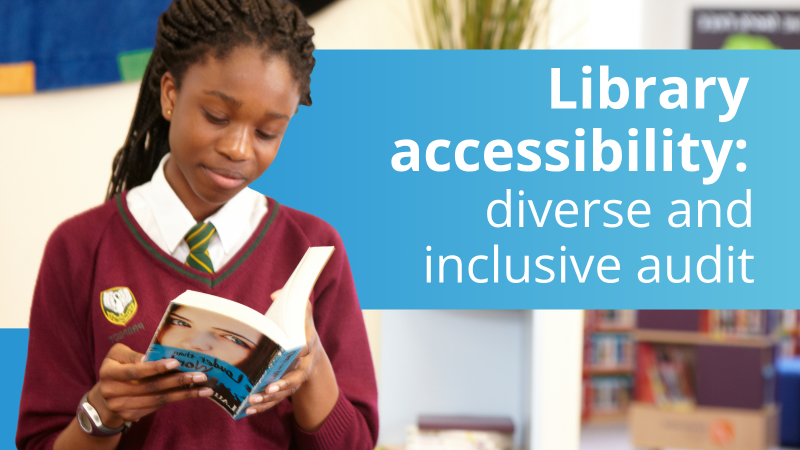
Many teachers, school librarians and literacy leads are keen to ensure their school library or classroom book stock reflects the backgrounds and experiences of all students. Children's Book Specialist Stephanie shares 12 steps you can take towards auditing your book stock and creating a diverse and inclusive library and reading culture.
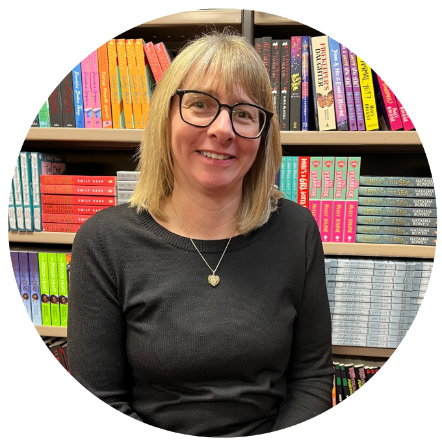 |
Stephanie | Children's Book Specialist Stephanie joined the Peters team in 2020 after working as a secondary school librarian and science teaching assistant. Her areas of expertise are KS3 and Accelerated Reader books, and she is a firm advocate for the importance of access to books for everyone. In her spare time, she enjoys reading horror, crime, mystery and thriller titles. |
Why is it important to have diverse and inclusive children's books in your reading selection?
Every child should have the right and opportunity to see themselves and their lives represented in a book, so that they can relate to the characters and stories in the books that they pick up to read.
It is also essential that students come across characters that may have different disabilities or backgrounds to them, as well as read non-fiction books about diversity. We want to encourage them to ask questions, which will spark meaningful discussions and create empathy. Reading can help break down barriers by teaching students that it is okay to be curious and to ask questions, especially about things that maybe different to their own experiences.
How to audit your library to support diversity and inclusion |

1. Decide on your auditing criteria.As a starting point for your criteria, it's worth reflecting on what the terms 'diverse' and 'inclusive' mean within your school community, and what you would like your students to understand by those terms. Diversity and inclusivity are a broad spectrum. Along with race/ethnicity and tracking whether your books feature characters from global majority backgrounds, you should also be considering LGBTQ+, disability and neurodiversity, regional differences, socio-economic and religious backgrounds. 2. Complete an audit of the books you already have access to.Remove anything that maybe inaccurate, outdated or prejudiced. To help, ask yourself questions like: are the characters in the books an accurate representation of UK society? Are the diverse characters central to the story? 3. Alternatively, audit a random sample of your library stock.If you have limited time and cannot audit all of your stock, try taking a sample (e.g. ten titles) and using those to extrapolate. For example, if only one of your ten books features a character of colour, you can deduce that this will apply to approximately 10% of your stock. Another option is to audit a specific genre and go from there. 4. Audit all new purchases and keep a diversity data record.Make the decision to start recording diversity data on new books you bring into your library or add to your primary curriculum or secondary curriculum book stock. As time goes on (particularly if you weed older stock too), you will be collecting useful information and building a comprehensive picture of your book stock. |
How to find and source inclusive books for children and teenagers |
|
5. Keep an eye on book awards focused on diversity and inclusion.Following diverse awards such as The Diverse Book Awards, The Polari Children's and YA Prize and the Jhalak Children’s and YA Prize will help you discover new releases. 6. Use keywords when searching for books on the Peters website.The keyword search on our website can be used to identify children's books about diversity, and story characters with a range of diverse characteristics. This includes books by global majority authors and illustrators; as well as diverse characters that explore disability, neurodiversity and LGBTQ+ issues. 7. Use the expertise of Peters' Librarians, such as their reviews, book lists, and curated book packs.We have lists of culturally diverse books for children on our website divided by Key Stage and by a particular theme or issue. Our dedicated diverse and inclusive books webpage includes book lists and book packs and is a good resource ffor producing your own list of suitable titles which reflect your community.
|
How to engage all pupils with your school library |

8. Share diverse book recommendations with your students.Be aware when students ask for recommendations from the shelves, including being aware of your own implicit biases. Be willing to recommend a wide range of material. Consider your book choices too if you read with your students, or run a book club. A book which reflects your students' situation, or opens their eyes to a different perspective, can inspire them to seek other titles and read independently. 9. Research themes or experiences that appear in your audited stock.We don’t all have the answers to students' questions, but we can become more confident talking about books with students when they relate to a particular theme or experience. Maybe it's about pronouncing their name right, or seeing a character in a graphic novel that has the same type of hair as them. Maybe they are from a single parent family, have a disability, or are experiencing food poverty. 10. Ask your students to help you choose new books.Involving them in this process will help cement the truth that the library is a space made and curated for all who visit it. Get them involved in purchasing some new books: take to your local independent book shop, library, or visit the bookshop here at Peters. 11. Create a representative book display.If you’re setting up themed and topical book displays, make sure they feature books that reflect a wide range of backgrounds and interests. For example, when creating a teen romance display for Valentine's Day, ensure LGBTQ+ romances are given equal coverage. Displays about awareness dates such as Black History Month and Neurodiversity Celebration Week are great, but ensure you are incorporating diverse stories in your displays all year round. 12. Arrange an author visit.An author visit can help demystify this career sector and bring shared experiences, inspiration and creativity right into your school. These visits can encourage students from all backgrounds to become readers and writers. Authors Aloud UK have a comprehensive list of authors you can book for your school. Puffin Virtual Visits also offer online author and illustrator visits each term.
|
Further support from the Peters team
How can I increase children's access to inclusive books?
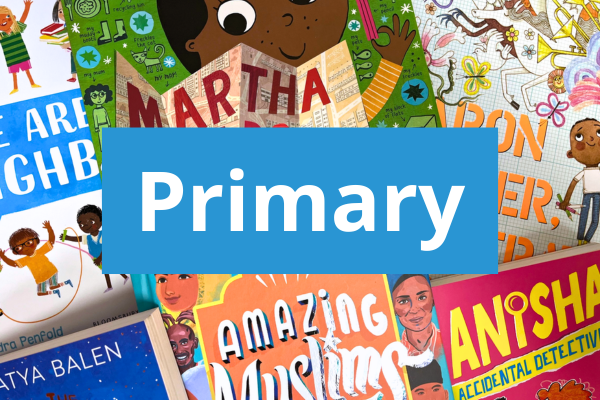
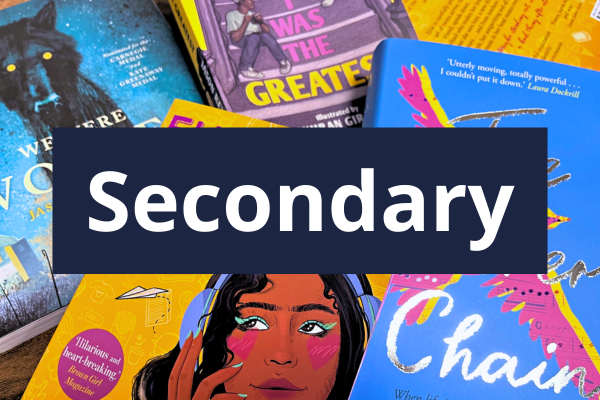
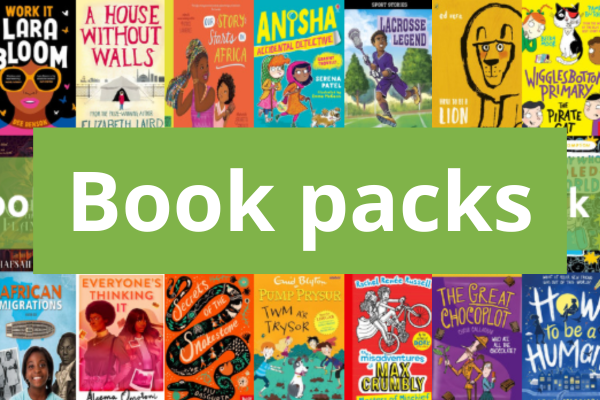
Start your search for the best inclusive children's books with Peters' book lists. Categories include authors and illustrators of colour; characters of colour; family life and relationships; Neurodiversity and SEND; physical disability; and more.
These lists are available as school book pack bundles, offering a straight-forward top-up to your existing stock or a high-quality foundation to your library's inclusive collection.
|
|
|
|
The Reflecting Realities report from the Centre for Literacy in Primary Education (CLPE) charts the progression of ethnic minority characters and representation in children's publishing. Since the first report in 2017, there has been a positive increase in children’s books featuring a minority ethnic character, from 4% in 2017, to 30% in 2023.
 Inclusive Books For Children is a charity founded in 2022 which recommends inclusive children's books to time-pressed librarians and teachers. Their books and book lists are selected and curated by their review team. They also host the IBC Awards, celebrating the best inclusive books for children aged 0-9.
Lit in Colour is Penguin and the Runnymede Trust's flagship initiative. It aims to make the teaching and learning of English literature in Key Stage 3 and Key Stage 4 more inclusive, and to increase students’ access to more books by writers of colour. Their comprehensive lists are available as book packs, exclusive to Peters.
How can Peters' Library Audit Service help create a diverse and inclusive children's library?
If you are seeking professional support with auditing your school's stock, we can help. Our Children's Book Specialists visit schools across the UK and carry out services including existing stock analysis, library re-organisation, and library consultation.
- hello@peters.co.uk
- 0121 666 6646
- Send a message
- Meet the team
- Peters Ltd
- 120 Bromsgrove Street
- Birmingham
- B5 6RJ