GO
Sorry, but you already have a basket with that name. Please use something else.
Are you sure you wish to delete this basket?()
This action cannot be undone.
Sorry, something went wrong
Please report the problem here.
Celebrating children's non-fiction books: with shortlisted Non-Fiction Book of the Year authors
February 11th 2026
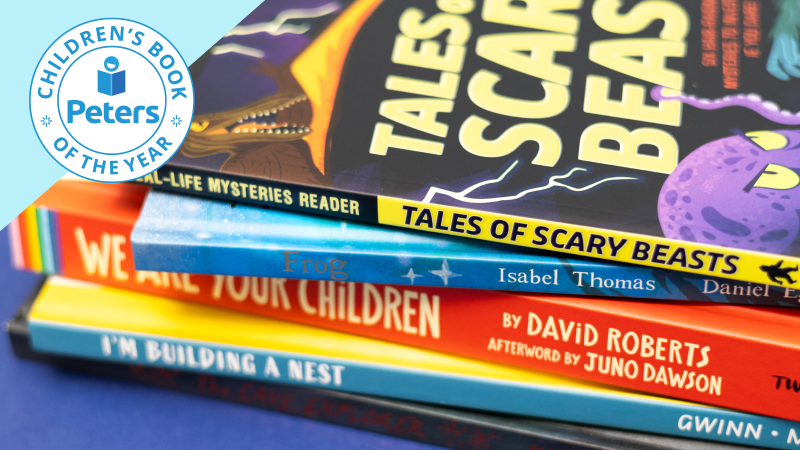
As our shortlisted authors and creators explain, non-fiction titles are more than just "books with facts". The Peters Non-Fiction Book of the Year 2026 highlights those information books which craft a compelling reading experience for children and teens, and nurture their natural curiosity about the world around them.
We're joined by authors Isabel Thomas, Saskia Gwinn, Susan Martineau, Kate Winter and David Roberts to celebrate how children's non-fiction can help readers connect to the wider world in a time of (dis)information overload, as well as offer a door into lifelong reading.
Click the book jackets below to read the creators' celebration of non-fiction books.
|
|
|
|
|
"Non-fiction inspires children to explore their world - and to change it."
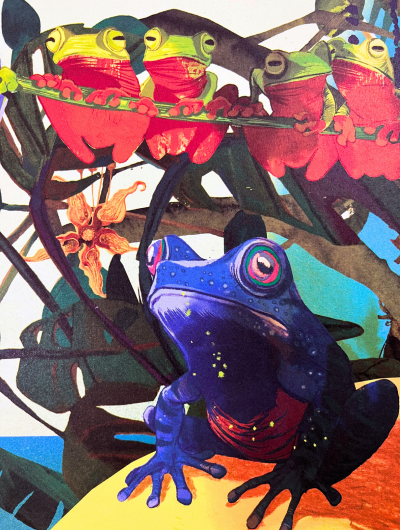
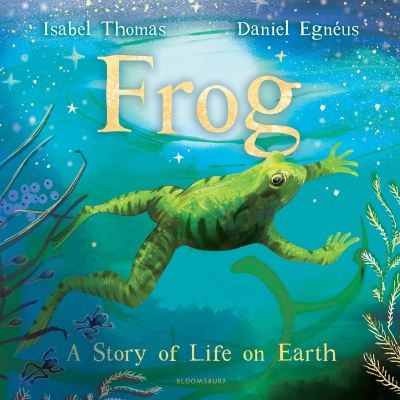
Isabel Thomas, author of Frog
Children ask the BIGGEST questions – about life, the universe and how we all got here. The best time to help them find answers should be guided by their curiosity, rather than the curriculum.
I believe children can understand anything if it’s explained in the right way, and when non-fiction books provide satisfying answers, it encourages children to take control of their own learning. They start to understand that ‘reading for pleasure’ can mean reading for understanding, for wonder, for hope. Non-fiction inspires children to explore their world – and to change it. Stepping into a library or bookshop begins to feel like opening an atlas of possibilities.
The best children’s non-fiction books are so much more than ‘books with facts’. They take readers on a carefully crafted journey that helps children connect new information with their own experiences, and with the bigger picture. Storytelling is at the heart of these adventures in the real world.
In Frog, everything that is familiar about a narrative picture book – lyrical storytelling, page turns, immersive illustrations, the shared reading experience – becomes a bridge to new ideas about the origins of life and the universe. Most importantly, storytelling builds an emotional connection to the subject matter, which children can't get from a Wikipedia page or an AI summary.
I never grew out of asking questions, and I love that my career as a writer and science teacher allows me to keep answering them. I love that science is not a list of facts, but a way of exploring the universe. And I love how that universe always turns out to be far stranger than fiction!
Crafting information books brings all the wonder and adventure that comes with exploration, plus that brilliant feeling of sharing what you’ve discovered with someone else.
"A child will remember these moments of realisation forever - moments that all came from a book."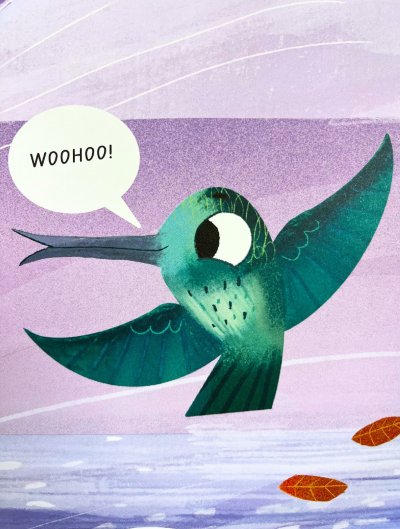
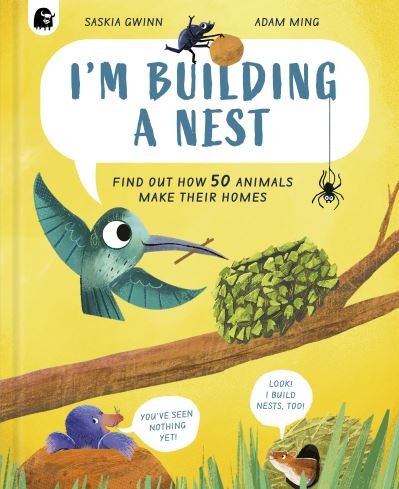
Saskia Gwinn, author of I'm Building A NestWe are so lucky now to have access to such a wealth of voice-driven and narrative non-fiction which is perfect for read-aloud and shared reading experiences. It's through non-fiction that children really learn what makes our world tick: from the wild animals they may never see in real-life, but will now aspire to see, to the inventions that might inspire them to create something of their own or the scientific discoveries that will teach them that one single person can change the world. Here, children are reading about their world, one they are yet to fully embrace but now fully know is there. A child will remember these moments of realisation forever - moments that all came from a book. Today, we all recognise the value of presenting non-fiction as part of a narrative combined with beautiful, fun, bright, animated illustrations - the kind that children are already lovingly familiar with from their picture book reads. These gorgeously crafted non-fiction books are so pertinent to holding a child's attention, which in turn gives information memorable and inspiring meaning. This can't be said of googling sporadic facts. A non-fiction book is crafted by an entire team over years ensuring every word and illustration is working its hardest. Robust sources are checked over and over; specialists are emailed. I recently emailed a conservationist at ZSL to ask for the accurate measurements of a crocodile's open jaws! We still need real answers from real people! I love that non-fiction can be presented through storytelling combined with humour and warmth; non-fiction in which characters lead them through facts that have beginnings, middles and ends; beautifully illustrated non-fiction picture books, graphic novels - these are all brilliant formats for reading non-fiction. The fact that young non-fiction can often be read in one sitting means kids are returning to them each night in the same way they return to a picture book, meaning non-fiction's place has been fully cemented as part of pre-bedtime reading routines, which is such a wonderful thing to be part of. |
"Being a curious and discerning fact detective is essential in the world of today."
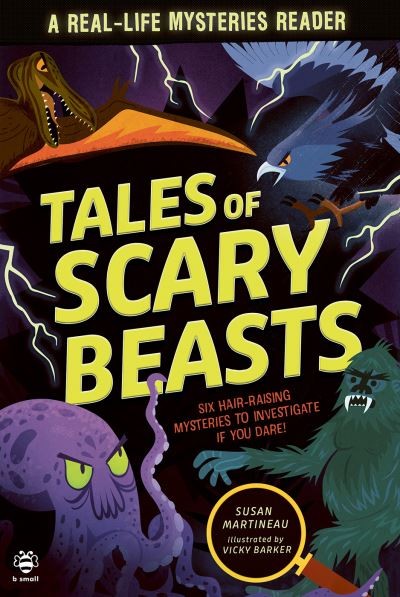
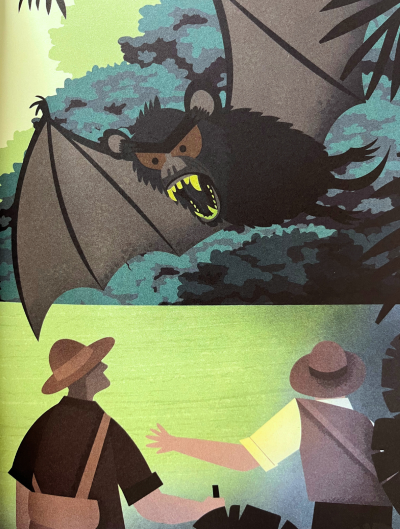 Susan Martineau, author of Tales of Scary Beasts
Non-fiction can be as gripping and imagination-firing as fiction. It tells us amazing and inspiring stories about the world around us. For many readers it is a wonderful first portal into the magical world of books. They may struggle to read a fictional tale from end to end, but happily tackle an illustrated non-fiction book with intriguing, but smaller, pieces of text. The best non-fiction can unleash the reader’s imagination and make them want to read on, hopefully for the rest of their lives!
Non-fiction must present well-researched, accurate facts, and a logical picture of the world. It can enable children to flex their critical reading muscles and open the door to thinking for themselves. It encourages children to find out the facts for themselves and arm them with the tools to navigate the information (and misinformation) jungle out there. Being a curious and discerning fact detective is essential in the world of today. My tips for young readers are LOOK, READ, ASK QUESTIONS, CHECK FACTS and THINK FOR YOURSELF.
I love writing books I hope children will enjoy delving into, learning from and be inspired to explore more. I always try to make the books entertaining and not boring!
I enjoy fact-fossicking for the most fascinating or fun information and then checking and double-checking it in every source I can find. Researching Scary Beasts was brilliant as I am obsessed with mysteries and trying to work out what really happened. It’s a dream job for a fact nerd who wants to know all about the world we live in, and I want all my readers to enjoy fact-detecting as much as I do!
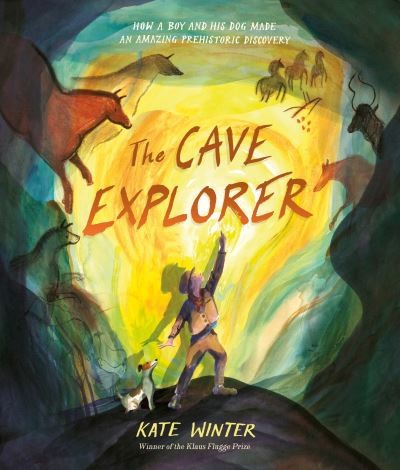
"The simple fact that 'this actually happened' ties children directly to their history and identity."
|
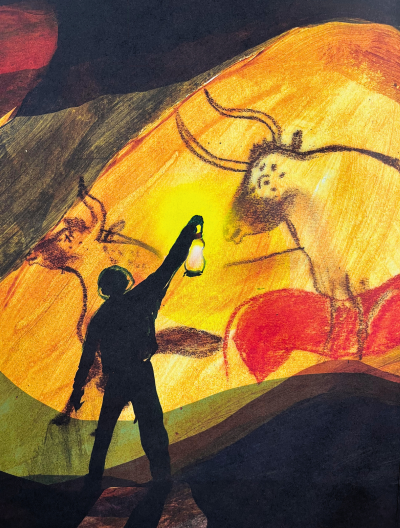 Kate Winter, creator of The Cave Explorer
"It's fun finding out!"
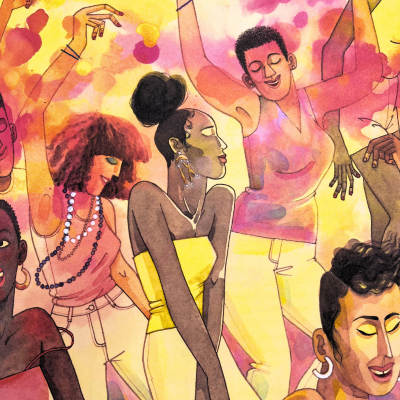
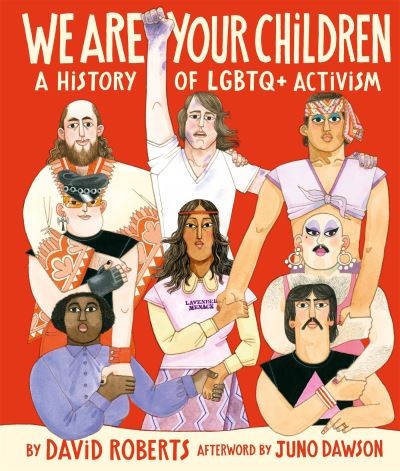
David Roberts, creator of We Are Your Children
How can children’s non-fiction inspire a long-term love of reading? Because it’s fun finding out!
With ever-developing technology and access to information (or misinformation), why is quality children’s non-fiction important in this day and age? If we have too much information it can be overwhelming – we can get lost in it. A book can help us focus in on selected details, designed to engage readers and hopefully inspire them to explore further. A book can be a guide, directing the reader to the things within the subject that particularly capture their interest.
What do you love about creating information books for children? I love finding the story within the information and then retelling that story not only through words but through images.
Crown your winner of Peters Non-Fiction Book of the Year 2026!Teachers and librarians, take part in Peters Children's Book of the Year 2026 and vote for your favourite non-fiction book.
|

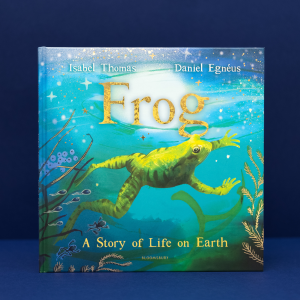
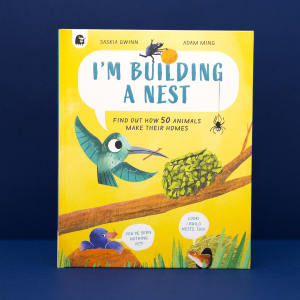
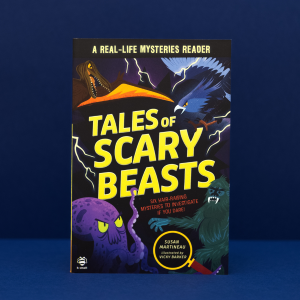
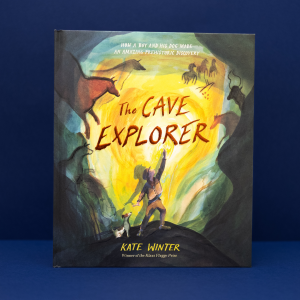
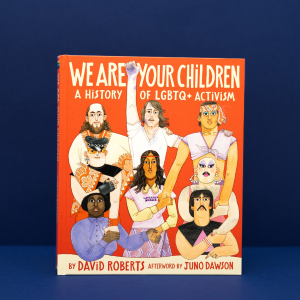
Frog: A Story of Life on Earth, Illustration © 2025 David Egneus | I'm Building A Nest, Illustration © 2025 Adam Ming | Tales of Scary Beasts, Illustration © 2025 Vicky Barker | The Cave Explorer, Illustration © 2025 Kate Winter | We Are Your Children, Illustration © 2025 David Roberts
Read latest news & blogs about Peters Children's Book of the Year...
- hello@peters.co.uk
- 0121 666 6646
- Send a message
- Meet the team
- Peters Ltd
- 120 Bromsgrove Street
- Birmingham
- B5 6RJ