GO
Sorry, but you already have a basket with that name. Please use something else.
Are you sure you wish to delete this basket?()
This action cannot be undone.
Sorry, something went wrong
Please report the problem here.
Celebrating picture books: with shortlisted Picture Book of the Year authors and illustrators
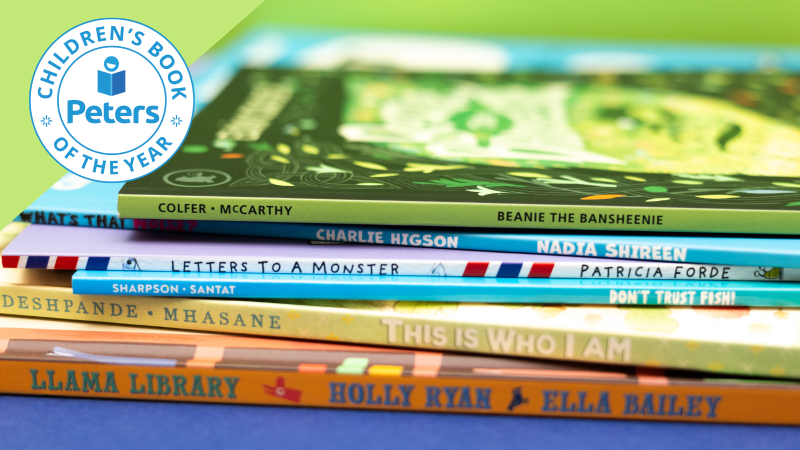
February 2nd 2026
Every stage of a child's reading journey is important, and picture books are often the very first step on a lifelong adventure into books. Peters Picture Book of the Year celebrates those titles which open the door to young readers, whether through humourous rhyme, evocative illustrations, or reflective words.
We're delighted to be joined by a range of our shortlisted picture book authors and illustrators, who explore why this format is essential to kickstarting the reading for pleasure journey, and why they personally love to create and read picture books.
Click the book jackets below to read the creators' celebration of picture books.
|
|
|
|
|
|
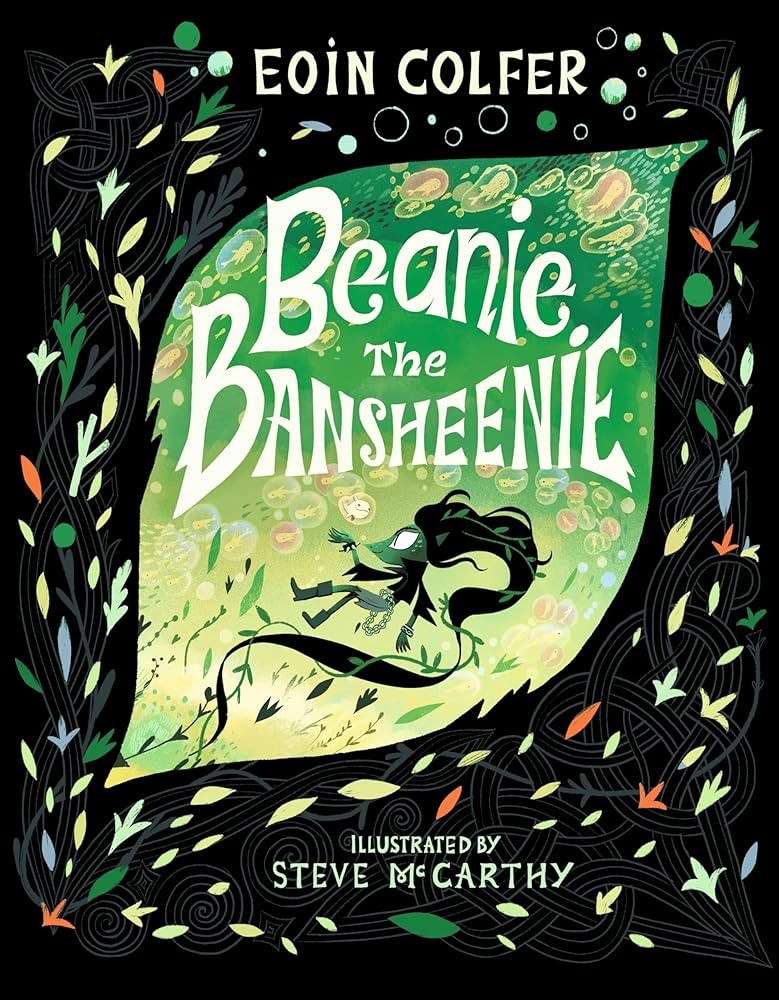
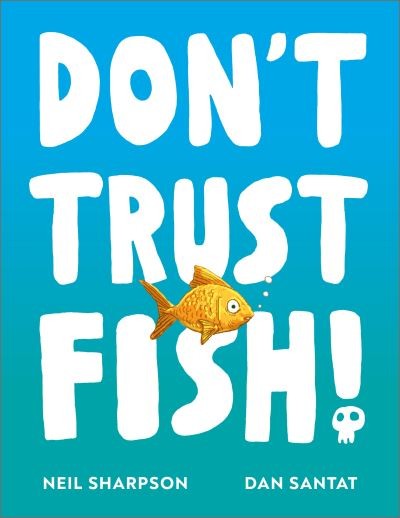
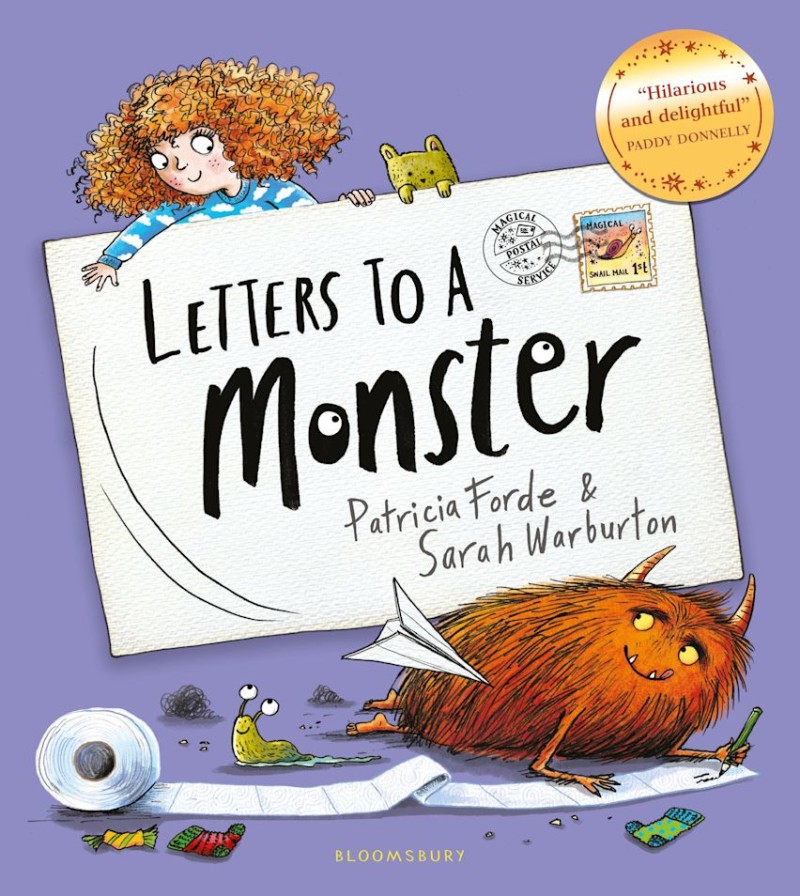
"Their brains can't get enough of it and neither can their hearts."
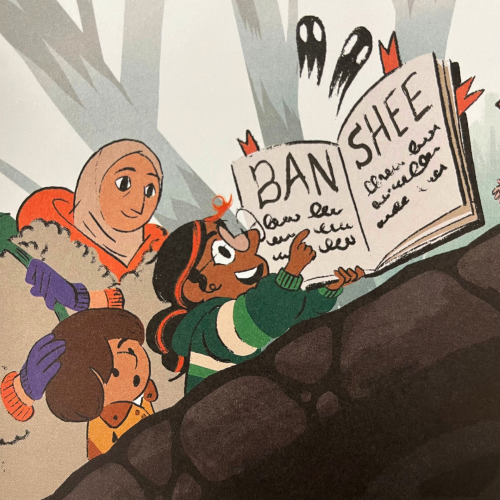
Eoin Colfer, author of Beanie the Bansheenie
Smaller children learn about their world primarily through sight and sound, and with picture books they get both the wonderful pictures of a skilled artist and the comforting voice of their caretaker reading the words. It is easy to see and understand children love hearing a story at night. Their brains can’t get enough of it and neither can their hearts.
When children eventually learn to read picture books for themselves they are comforted by the familiarity of the medium and enchanted by the wonderful stories and art between the covers.
I have always loved picture books since my parents read them to me as a child. My progression as a reader was from picture books to comic books to chapter books and the wonderful thing about that pattern is that every new step is incorporated into the whole, which means that even though I read mostly chapter books now that doesn’t mean that I ever stopped reading picture books and comic books because I didn’t.
I enjoy creating picture books now because it brings me closer to the people who create the art and in my opinion that is like hanging out with a wizard.
"Picture books are every bit as diverse as their adult counterparts."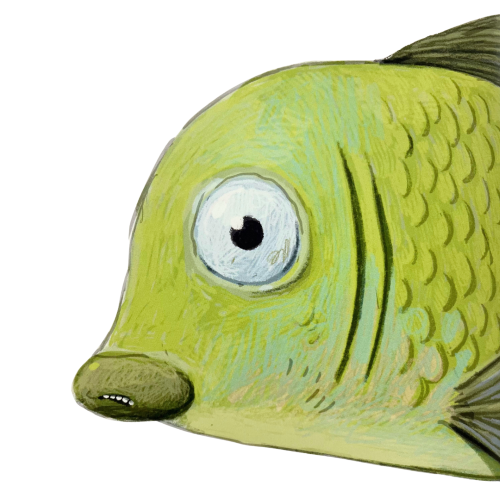
Neil Sharpson, author of Don't Trust Fish!Text can be a unscalable wall for young children. Pictures work to allow kids to form mental associations between words and concepts, acting like training wheels. As well as this, the images carry some of the burden of story-telling, allowing the story to be told with simpler, sparser text. And a beautifully illustrated picture book is just appealing to hold and to read. They act as a perfect bridge to illustrated chapter books, which in turn act as a bridge to regular books. And reading a bedtime story is such a wonderful bonding activity. What do you love about picture books? Well, that really depends on the genre, doesn’t it? Picture books are every bit as diverse as their adult counterparts. I love I Want My Hat Back for its pitch black humour, Where the Wild Things Are for its eerie, dreamlike atmosphere and The Lorax for the way the ending always makes me cry. Writing can be lonely and solitary. Picture books are so much more collaborative. Also, the artist does the real hard work and I get half the credit. It’s GREAT. Mostly, I love writing for an audience that gets my sense of humour. It also feels like it matters, in a way that writing fiction for adults doesn’t. You get to be part of someone’s childhood, something that made them happy growing up. I don’t think there’s a finer calling than that. |
"Picture books feel small, but they're amazingly powerful."
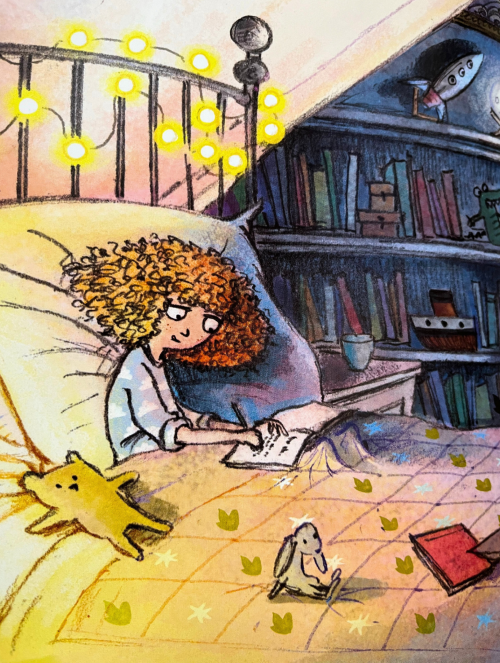 Patricia Forde, author of Letters to a Monster
Picture books are essential for so many reasons. They open the door to the world of make believe for children and to the world of literature. The fact that an adult or older sibling takes the time to read to a little one shows them that they are important and that they are loved. This feeling will stay with them for the rest of their lives.
Picture books are friendly and accessible. They build a love of story, a sense of beginning, middle and end and the incomparable feeling of being taken somewhere else. And they bring a small art gallery right into the hands of the reader.
Picture books feel small, but they’re amazingly powerful.
A handful of words, a few images—and somehow you get a whole emotional arc.
I love the collaboration between text and art. The best picture books are like an intricate dance between words and images. Sometimes the pictures contradict the text, or adds something totally new to the narrative.
I love the physicality: the heft of the book, the pacing of page turns, the way a double spread can break your heart wide open!
I love the power! When I write a picture book I am like a film director. I cast the actors, devise the setting and decide where to shine the lights. With every story, I have to decide where to put the camera. Should we look at that point of view, that emotion, that theme?
I love the constraint. My picture books usually come in under 500 words. That word count challenges you to see what is essential, asks you to think deeply about the weight of every word and at the same time to leave room for the illustrator.
I also love the absolute joy of seeing the illustrations for the first time and that feeling that someone has looked into your head and created a whole world.
"I believe younger readers deserve detailed artwork, beautifully 'lit' artwork that hides unwritten details."
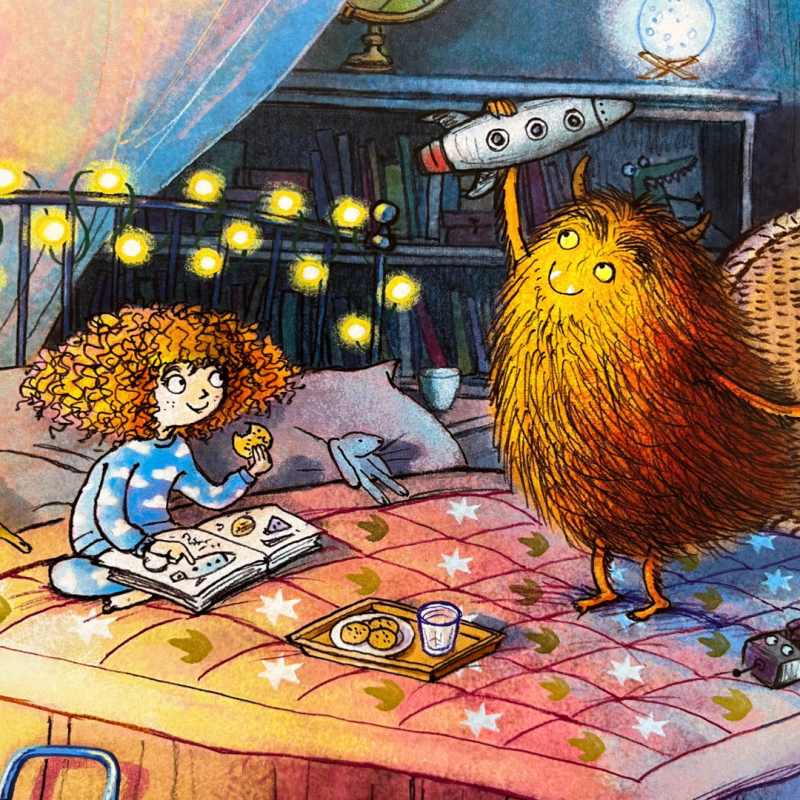
Sarah Warburton, illustrator of Letters to a Monster
We learn about the world around us as babies through images. Good picture books - engaging stories, great words and illustrations go hand in hand. The story entrances the reader, and the illustrations serve to fuel the growing imagination even more.
As a young child, my own excitement at reading was sparked by poring over the front cover of a new book or the drawings within. I think it's still the same for most children. Images can ignite an idea for a child, and reading and words can help them expand it. It's a perfect partnership, hopefully for life.
Illustrating picture books allows me the opportunity to create complete little worlds. I believe that just because a book is aimed at very young children, it shouldn't mean that images are simple. I believe younger readers deserve detailed artwork, beautifully 'lit' artwork that hides unwritten details. When I'm working on a picture book, I get completely absorbed in each 'world', whether it's just one bedroom or a whole landscape. The most exciting time is the first read of a new picture book text. Images come to my head almost immediately. It feels like a tiny bit of magic!
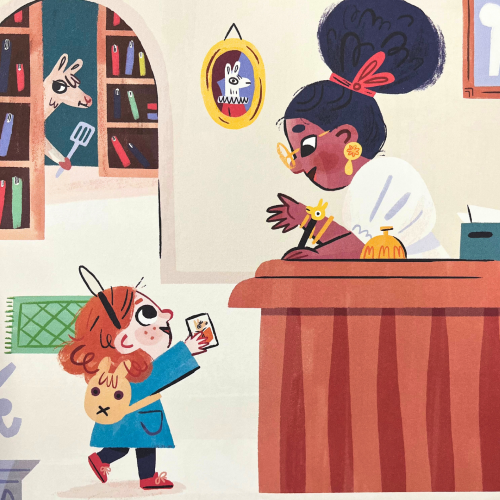
"When young readers love a book, they love it with every atom of their being."
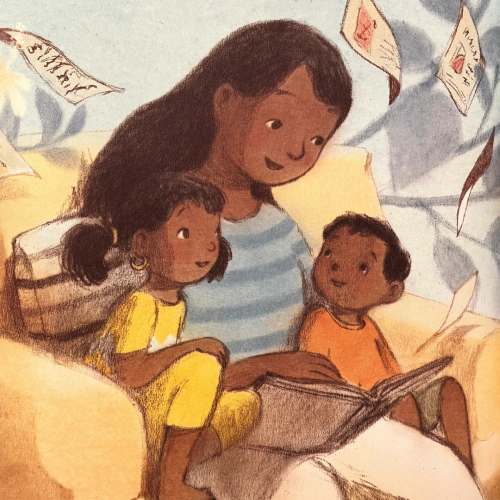
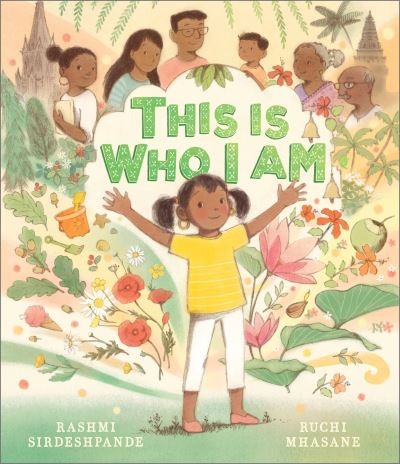
Rashmi Sirdeshpande, author of This Is Who I Am
Picture books are a young reader’s first touchpoint with ART. They’re so varied too. They can entertain, inspire, comfort, spark wonder and everything in between.
Every page and page turn is a delight. Every book that resonates deeply in some way makes the reader ask for MORE. It’s how that love of reading begins. It starts with books feeling fun and wondrous and beautiful and irresistible.
I love creating books for young readers because they’re the best readers. When they love a book, they love it with every atom of their being. They’ll read it a hundred times and memorise and anticipate their favourite bits. They’ll fully appreciate every inch of the art.
It’s an honour to make books for these readers and extra special because of the impact picture books can have in terms of making children smile, laugh, think and feel and helping them to navigate this world and find their place in it.
"Picture books offer a new reader so many routes into enjoyment."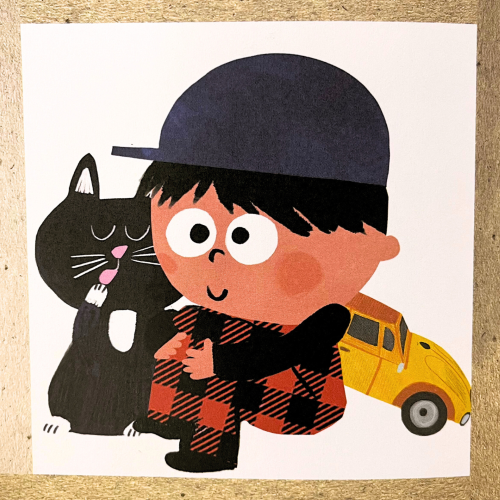
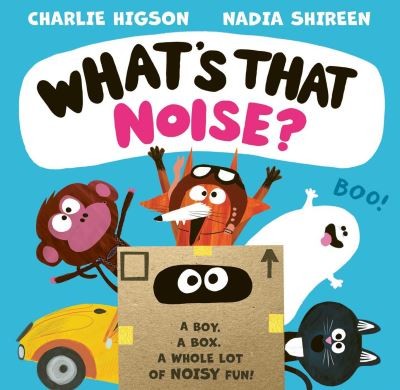
Nadia Shireen, illustrator of What's That Noise?We read images as well as words, and when we’re too small to decode letters, we can begin to decode pictures. Picture books offer a new reader so many routes into enjoyment. Picking up a book, learning how to turn pages back and forth - even chewing on them - are all precious building blocks that help us form a lifelong relationship with books. Picture books are a unique art form that bring together words and image in a peculiar, but magical way. They rely on the reader to ignite sparks, make connections and engage with the book, making it a personal and profound artistic experience. That sounds very fancy - but I think it’s true!
|
Crown your winner of Peters Picture Book of the Year 2026!Teachers and librarians, take part in Peters Children's Book of the Year 2026 and vote for your favourite picture book.
|

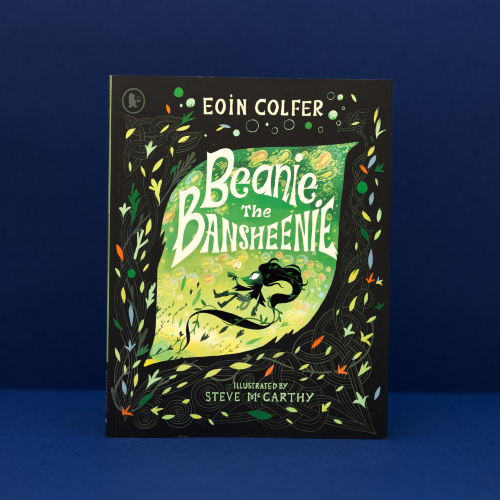
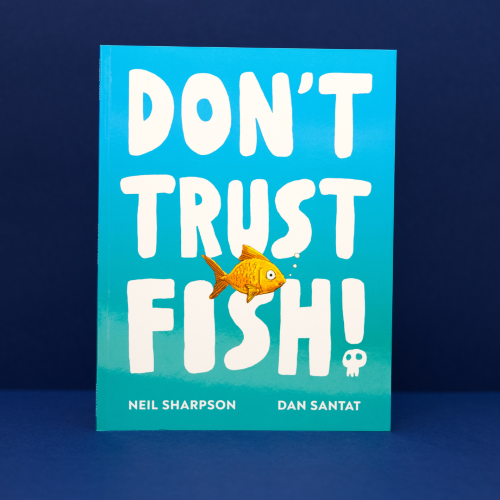
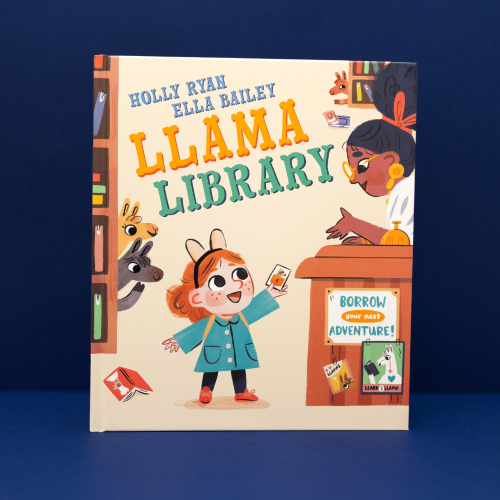
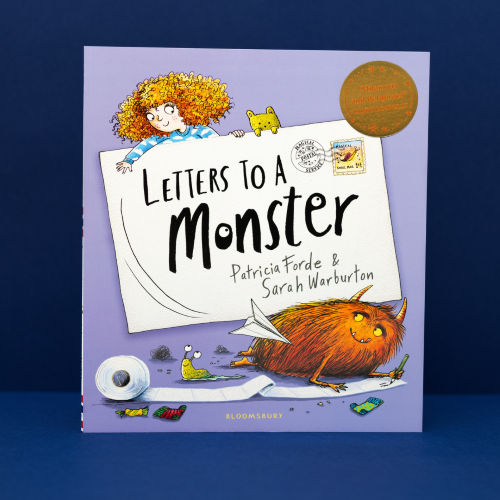
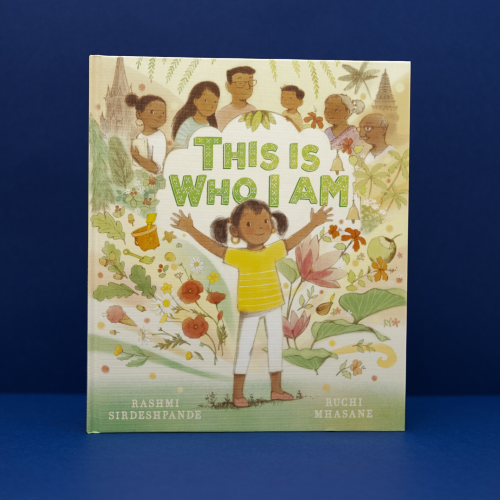
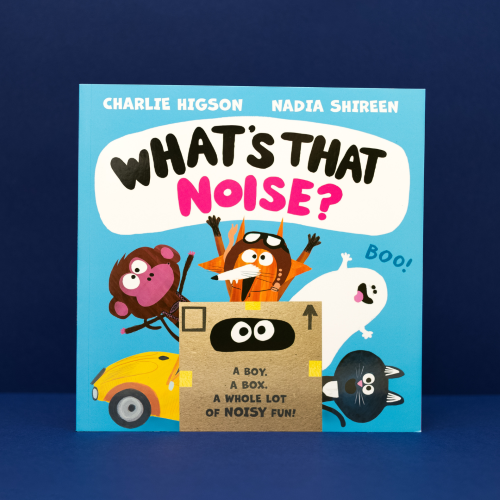
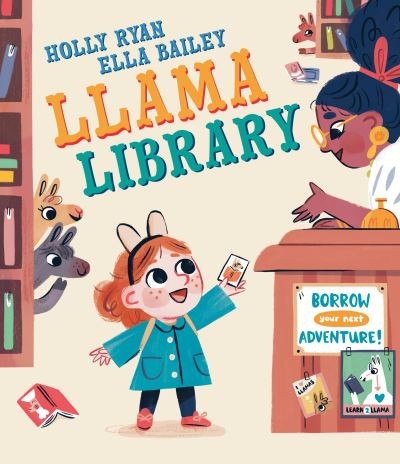
Beanie the Bansheenie, Illustration © 2024 Steve McCarthy | Don't Trust Fish!, Illustration © 2025 Dan Santat | Llama Library, Illustration © 2025 Ella Bailey | Letters to a Monster, Illustration © 2025 Sarah Warburton | This Is Who I Am, Illustration © 2025 Ruchi Mhasane | What's That Noise? Illustration © 2025 Nadia Shireen
Read latest news & blogs about Peters Children's Book of the Year...
- hello@peters.co.uk
- 0121 666 6646
- Send a message
- Meet the team
- Peters Ltd
- 120 Bromsgrove Street
- Birmingham
- B5 6RJ