GO
Sorry, but you already have a basket with that name. Please use something else.
Are you sure you wish to delete this basket?()
This action cannot be undone.
Sorry, something went wrong
Please report the problem here.
Celebrating teen fiction: with shortlisted Teen Fiction Book of the Year authors
February 9th 2026
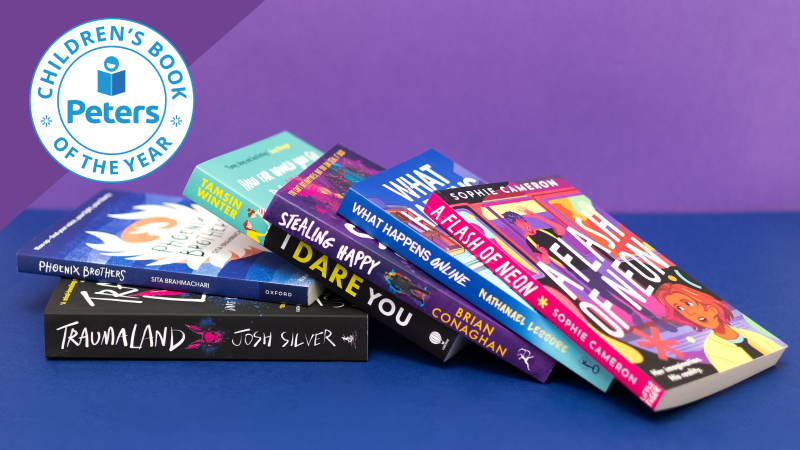
With the pressures of adolescence and becoming oneself in this overwhelming world, Teen Fiction can offer young adults a haven. Peters Teen Fiction Book of the Year spotlights new teen books which cut out the noise and grip teen readers with compelling and relatable stories, whilst offering them a safe space to explore their identity and important topical issues.
On the blog, shortlisted authors Sophie Cameron, Sita Brahmachari, Brian Conaghan, Josh Silver, and Nathanael Lessore share their passion for writing stories for teenagers, and why books for young adults, from speculative fiction to thrilling humour, are essential for helping teens navigate the adult world.
Click the book jackets below to read the author's celebration of teen fiction.
|
|
|
|
|
"Learning about and understanding other perspectives and experiences is a really important part of growing up."
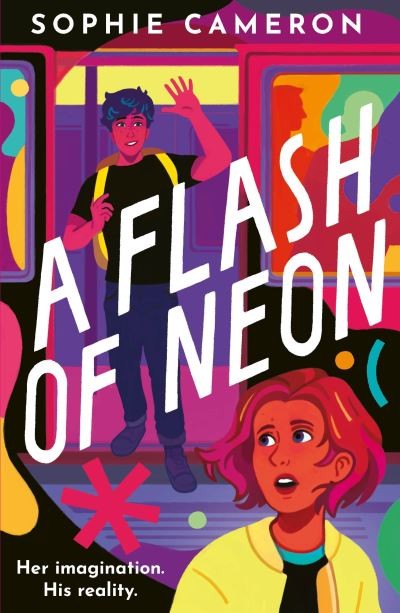
Sophie Cameron, author of A Flash of Neon
I think learning about and understanding other perspectives and experiences is a really important part of growing up. Reading gives us a window into other people’s lives and points of view, so it can help us develop empathy and gain a better understanding of the world around us.
In terms of teen fiction in particular, I think books can also help young people navigate relationships, friendships and other issues by reflecting scenarios they might have lived through or could experience in years to come. Plus, it’s fun!
The teenage years are such an interesting stage: most people are still living with family or guardians, but also becoming independent and working out what they want their own life to look like; they might have a job and some of their own money, but they often have more time for friends, hobbies and interests than most do as adults. A lot of teenagers are passionate, ambitious, driven and creative in a way I find inspiring, and I like showing that in my characters. I also love getting to meet young readers and hearing about their lives and interests.
A Flash of Neon is a celebration of all sorts of stories, even those we make up in our heads. I wanted to write a fun, fantastical story that’s also firmly rooted in the real world, to show the positive influence that fiction and storytelling can have on our lives.
I also wanted to write about the complex friendship dynamics between teen girls, as that was something I experienced at the main character’s age and which I felt that quite a lot of young readers would probably relate to as well.
"Teen fiction can give you what you need to find your voice and fly."
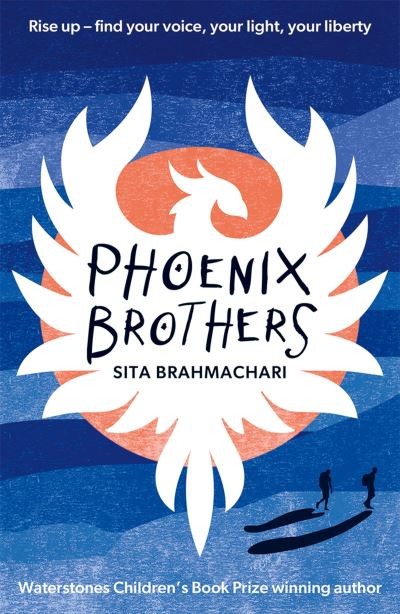
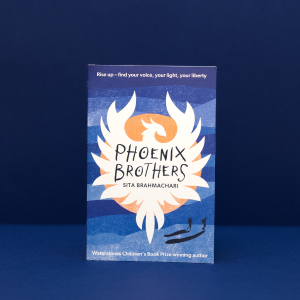
Sita Brahmachari, author of Phoenix Brothers
Teen fiction can be a lifeline in times of massive transformation that can feel really turbulent. For this reason most people never forget the changes in themselves or the rites of passage moment in their teenage years. How do you know what you think or feel or want to say when you are bombarded by so much in all directions?
Teen fiction can give you space to breathe, to dream, to escape from real world pressures or to work out your own place in the world and what really matters to you. Teen fiction can be empowering and sustaining and even give you what you need to find your voice and fly.
I love meeting my readers both before writing, in the research stages and consulting them as I share chapters with readers. I love the space that writing gives me to really understand the characters and their worlds better and to make leaps of imagination. While I write I feel huge empathy for characters and learn so much about what young people are going through.
Once I've written the story, the final jigsaw piece for me is meeting readers and hearing what the story means to them - and more often than not how it has planted seeds for them to write and voice their own stories or fulfil their dreams. I do believe that in small and large ways the stories we tell with all the layers of our hearts, minds and imaginations, can change the world for the better.
I dug deep writing this story. I have worked to support refugee children and families all my adult life. I cannot stand the inhumanity of 'the hostile environment' that encourages people to hate and be mistrustful of refugee and asylum-seeking people. Amir and Mo in Phoenix Brothers are secondary school students seeking only to have their child rights fulfilled; what we all would want for our families.
In a time when lies are traded as truths, I thought deeply about my purpose as a writer and I set out to write a more empathetic story that shines a light on the realities for unaccompanied refugee young people. I wanted to show the courage of these young people and the way that, by opening our hearts and minds, we can make each other's lives better in families, friendship and communities as we navigate through globally turbulent times.
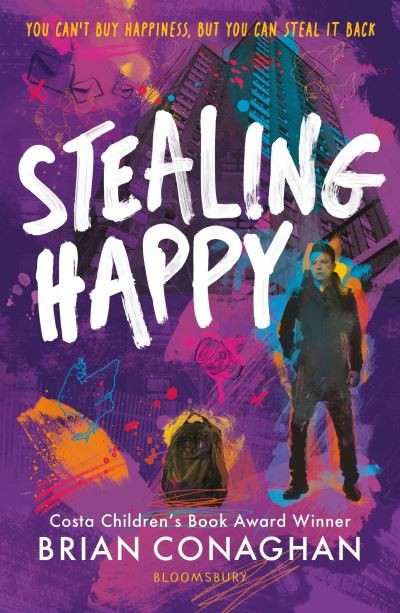
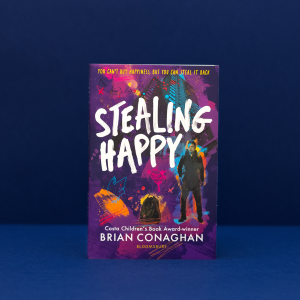
"If a story lands, it can geniunely help someone through a hard period. That's a real privilege."Brian Conaghan, author of Stealing HappyReading teen fiction gives young people a safe way to practise adulthood before they’re living it. It puts feelings like anxiety, grief, desire, shame, anger and hope into words, which helps readers recognise and manage them. It also models choices and consequences - friendships, first love, mistakes, risk, identity, power, family pressure - without real-world damage. Good teen novels build empathy by letting you live inside someone else’s head, including people you’d normally judge or ignore. Most of all, it reassures readers they’re not “too much” or “broken”: change is normal, and growing up can be messy but it’s very survivable. I love writing for teens because the stakes feel huge and real. Everything’s first-time: first heartbreak, first betrayal, first moment you see your family differently, first glimpse of the person you might become. Teenagers feel things at full volume, and that makes the writing raw, funny, brutal, and alive. I also love the honesty, teens can smell fakery a mile off, so you’re forced to write with heart and truth. And if a story lands, it can genuinely help someone through a hard period. That’s a real privilege. Writing this particular story mattered because Stealing Happy comes from a place I recognise: young people trying to survive in worlds that don’t make it easy to be soft, honest, or hopeful. I wanted to tell a story where happiness isn’t a given, it’s something you fight for, sometimes messily, sometimes brilliantly. Through Sonny’s eyes I was able to explore how shame, class, family, and expectations can shape a life, but also how friendship, humour, and small acts of courage can crack light into the dark. His lived experience, especially with his Tourette’s, echoes my own. I wanted Sonny – and readers - to feel seen… and not alone. |
"Teens aren't interested in tidy answers. They want stories that acknowledge the mess and still offer hope."
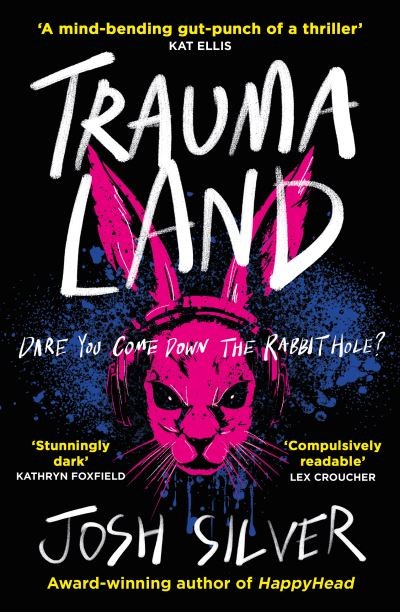
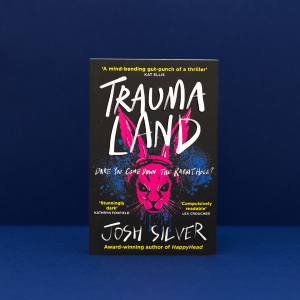
Josh Silver, author of Traumaland
Teen fiction lets young people explore who they are in worlds where the stakes are exaggerated but the emotions are real. Dystopian stories, especially with LGBTQ+ leads, reflect what it feels like to grow up in systems that don’t always see or protect you. They give readers language for power, control, resistance, and identity - and show that questioning the world isn’t a flaw, it’s a survival skill.
Teens live at the point where identity and rebellion collide, which is perfect for dystopia. Writing LGBTQ+ teen characters allows me to centre joy, desire, fear, and defiance in the bodies and identities of people who haven’t taken that role often.
I love the emotional intensity, the honesty, and the urgency. Teens aren’t interested in tidy answers. They want stories that acknowledge the mess and still offer hope.
TRAUMALAND grew out of concern about how mental health care can be shaped by profit, speed, and political optics. When governments want quick results and investors want returns, AI can start to look like a solution rather than a tool. I wanted to explore what happens when care becomes transactional - when erasing pain is cheaper than listening to it. Memory removal felt like a plausible endpoint, and a warning about what we risk losing when systems value efficiency over people.
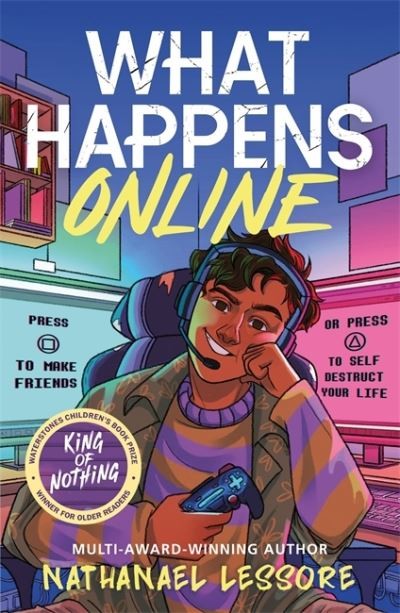
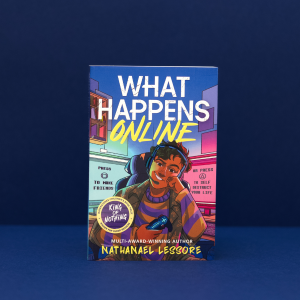
"The mental and emotional benefits of reading are absolutely pivotal for navigating the adult world."Nathanael Lessore, author of What Happens OnlineI think reading stories about themselves makes teenagers feel seen, makes them feel special, and proves that their stories are worth telling. The mental and emotional benefits of reading, such as reduced anxiety and much higher empathy, are absolutely pivotal for navigating the adult world. I just write what I love, all the awkwardness scenes, inappropriate timing, wordplay, modern romance, cringe moments, and it all happens to be perfect for teen audiences. Young people are forever linked to Social Media, despite the facts and stats linked to poor mental health. Rather than preach the negatives, What Happens Online gives the ability to start conversation and introspective thought on one’s personal relationship with social media. |
Crown your winner of Peters Teen Fiction Book of the Year 2026!Teachers and librarians, take part in Peters Children's Book of the Year 2026 and vote for your favourite teen fiction book.
|

Read latest news & blogs about Peters Children's Book of the Year...
- hello@peters.co.uk
- 0121 666 6646
- Send a message
- Meet the team
- Peters Ltd
- 120 Bromsgrove Street
- Birmingham
- B5 6RJ